
What Is Hesperidin Used For?
Hesperidin, a glycosylated flavanone, is a natural compound abundant in citrus fruits, particularly in the albedo (the white, spongy layer beneath the peel). This bioflavonoid has become a subject of extensive research due to its numerous health benefits and wide - ranging applications across various industries.

Chemical Structure and Properties
Hesperidin has the chemical formula C28H34O15 and belongs to the class of flavanone glycosides. Its structure consists of a flavanone aglycone (hesperetin) linked to the disaccharide rutinose. This unique structure endows it with biological activity, but its poor solubility in water and most organic solvents presents challenges in some applications. However, a variety of extraction methods have been developed to obtain hesperidin from its natural sources, including traditional methods such as maceration and Soxhlet extraction, as well as non - traditional methods like ultrasound - assisted extraction, microwave - assisted extraction, supercritical fluid extraction, pressurized liquid extraction, and pulsed electric field extraction.
Health Benefits
- Antioxidant Activity
Hesperidin is renowned for its strong antioxidant properties. It can scavenge free radicals and reactive oxygen species, protecting cells from oxidative stress damage. The mechanism behind its antioxidant activity may be related to the hydroxyl group at the C3' position and the methoxyl group at the C4' position of the B - ring in its aglycone structure. In a study published in the journal Phytotherapy Research in 2017, researchers found that hesperidin supplementation could reduce oxidative DNA damage and lipid peroxidation in patients with type 2 diabetes. This antioxidant effect is of great significance to overall health, as oxidative stress is associated with various chronic diseases, including cancer, cardiovascular diseases, and neurodegenerative diseases.
- Anti - inflammatory Effects
It also possesses anti - inflammatory properties, helping to reduce inflammation in the body. A randomized, double - blind, controlled clinical trial published in Phytotherapy Research in 2018 showed that hesperidin had blood pressure - lowering and anti - inflammatory effects in patients with type 2 diabetes. By reducing inflammation, hesperidin may help prevent and maNAGe inflammation - related diseases such as arthritis, inflammatory bowel disease, and certain skin disorders.
- Cardiovascular Benefits
Hesperidin has been studied for its potential to improve cardiovascular health. It may help blood vessels function better by strengthening them and improving blood flow. Some studies have indicated that taking hesperidin and diosmin (another citrus bioflavonoid) can alleviate symptoms of conditions such as hemorrhoids, varicose veins, and chronic venous insufficiency. A review article in the field of pharmacology pointed out that hesperidin helps reduce vascular inflammation, potentially lowering the risk of atherosclerosis and improving overall cardiovascular function.
- Immune System Support
There is evidence suggesting that hesperidin can regulate the immune response, thereby supporting the body's defense system. Although more research is needed, some studies have shown that hesperidin may play a role in enhancing immune function, which could be beneficial for overall health and disease prevention.
Applications in the Cosmetics Industry
- Antioxidant and Anti - aging Properties
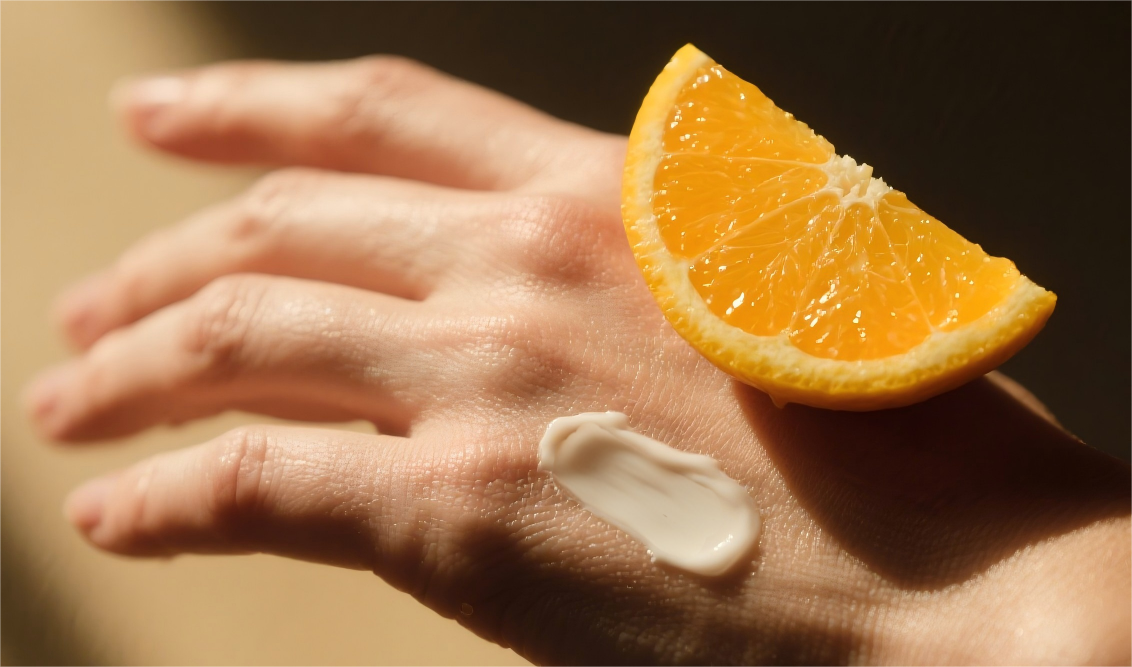
In cosmetics, the antioxidant capacity of hesperidin is highly valued. Free radicals are major contributors to skin aging, leading to the formation of dark spots, wrinkles, and fine lines. Hesperidin can scavenge these free radicals, helping to slow down the skin aging process. It also promotes the production of collagen, which is crucial for maintaining skin elasticity and firmness.
- Anti - inflammatory and Soothing Effects
For sensitive and acne - prone skin, the anti - inflammatory properties of hesperidin are a great boon. It can soothe irritated skin and reduce redness and inflammation associated with skin conditions such as acne, eczema, and dermatitis. This makes it a suitable ingredient for products designed for sensitive skin, as it helps calm and soothe the skin without causing further irritation.
- Skin Lightening and Reduction of Pigmentation
Studies have shown that hesperidin can inhibit the activity of tyrosinase, an enzyme involved in melanin production. By reducing melanin synthesis, it helps even out skin tone and target pigmentation issues such as age spots and sunspots. Multiple in - vitro studies have demonstrated that hesperidin can effectively inhibit tyrosinase activity in a dose - dependent manner, thereby reducing melanin content in skin cells.
- Moisturizing and Skin Barrier Repair
It has the ability to enhance the skin's moisture - retaining capacity and repair the skin barrier. By improving the skin's barrier function, hesperidin helps prevent moisture loss, keeping the skin hydrated and healthy. This is particularly beneficial for dry and damaged skin, as it can improve skin texture and reduce dryness and flaking.
Development Trends in the Cosmetics Field
- Synergistic Application with Other Ingredients Becomes Mainstream: The efficacy of a single ingredient is limited. In the future, hesperidin will be more frequently used in combination with other natural active ingredients such as vitamin C, hyaluronic acid, and ceramide. For example, the combination of the antioxidant effect of hesperidin and the whitening effect of vitamin C can form a more comprehensive skincare effect, meeting consumers' demand for multi - functional cosmetics. Relevant research is also continuously exploring the synergistic mechanisms between different ingredients to optimize formulations and enhance product efficacy.
- Green Extraction Technologies Promote Sustainable Development: Consumers have increasingly high requirements for the safety and environmental friendliness of cosmetics. The adoption of green and environmentally friendly extraction technologies to obtain hesperidin will become a trend. Environmentally friendly extraction methods such as supercritical fluid extraction can ensure the purity and activity of hesperidin while reducing environmental pollution, conforming to the concept of sustainable development in the cosmetics industry and enhancing the market competitiveness of products.
- Continuous Expansion of Application Scenarios: Beyond traditional skincare products such as creams, lotions, and serums, the application scenarios of hesperidin in the cosmetics field will further expand. For example, facial masks containing hesperidin can better exert its moisturizing and antioxidant effects; sunscreen products with hesperidin can reduce skin damage caused by ultraviolet rays by virtue of its antioxidant properties; even in makeup products, hesperidin may be added to reduce skin irritation caused by makeup, achieving the combination of skincare and makeup.
Conclusion
Hesperidin has significant antioxidant, anti - inflammatory, and other beneficial properties, with wide applications in health - related fields and the cosmetics industry. With the deepening of research, we can expect to see more innovative uses of hesperidin, further tapping its potential in improving human health and enhancing beauty products.
- Name: Yuik
- E-mail: sales02@nahanutri.com
- WhatsApp:+8618066950297